



What to Look for in High Voltage Power Measurement PCB Suppliers: A Comprehensive Guide
2026-11-15
What to Look for in High Voltage Power Measurement PCB Suppliers
Understanding High Voltage Power Measurement PCBs
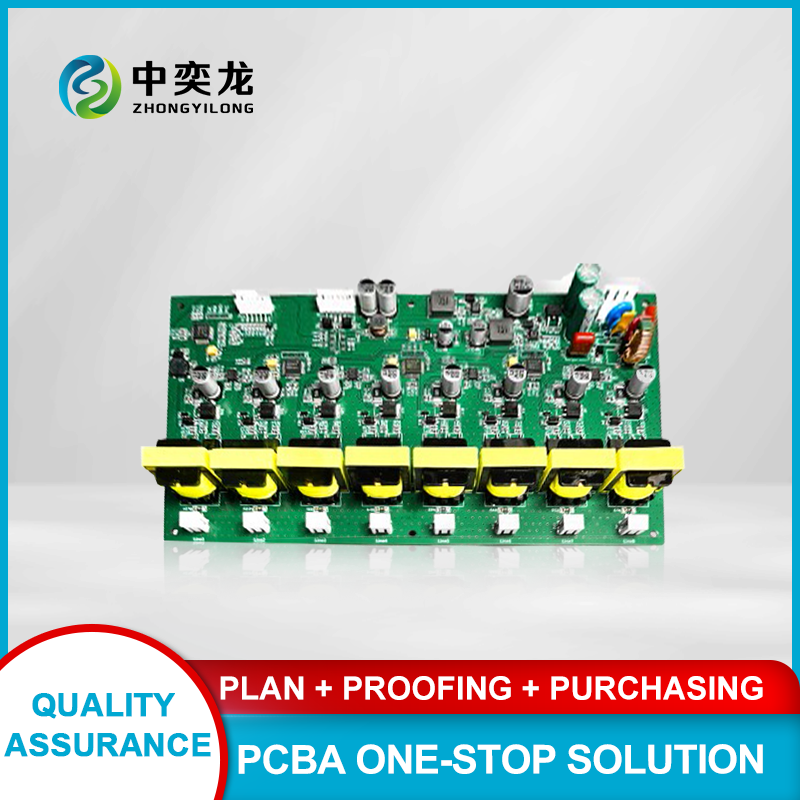
When it comes to high voltage applications, precision and reliability in power measurement are paramount. High voltage power measurement PCBs (Printed Circuit Boards) serve as the backbone of electronic systems that handle elevated voltages and currents. These boards must be engineered to withstand the rigors of high voltage operations while providing accurate measurements and ensuring safety.
Why Choosing the Right Supplier Matters
Selecting the right supplier for your high voltage power measurement PCBs significantly influences your project's success. A reputable supplier not only delivers high-quality products but also ensures compliance with industry standards, contributes to product longevity, and minimizes the risk of failures. In this guide, we’ll delve deep into the critical aspects to consider while choosing a supplier.
Key Factors to Consider When Selecting a PCB Supplier
1. Industry Experience and Expertise
Look for suppliers with extensive experience in manufacturing high voltage PCBs. Their expertise should extend beyond standard PCB production to include specialized knowledge in high voltage applications. An established supplier will have a track record of successful projects and a portfolio showcasing their capabilities.
Assessing Technical Proficiency
Evaluate the supplier’s technical capabilities. This includes understanding the production techniques they employ, their familiarity with different materials, and their competence in handling intricate designs. Knowledge in thermal management, voltage isolation, and safety standards is crucial.
2. Quality Assurance Protocols
Quality assurance is vital for high voltage power measurement PCBs. Suppliers should adhere to strict quality control processes throughout the manufacturing cycle.
Certifications to Look For
Check for relevant certifications such as ISO 9001, IPC-A-600, and UL compliance. These certifications demonstrate the supplier’s commitment to quality and safety standards, ensuring that the PCBs meet or exceed industry requirements.
3. Customization Capabilities
Every application is unique, and your PCB supplier should be able to accommodate specific requirements. From design customization to material selection, a good supplier should offer flexibility in production.
Design Support Services
Inquire whether the supplier provides design support services. This can include assistance with schematic design, layout optimization, and simulations to test performance. Suppliers that offer end-to-end services can significantly streamline the development process.
4. Reliability and Longevity of Products
High voltage applications demand PCBs that can withstand harsh conditions over extended periods. Assess the materials and processes used by the supplier to ensure longevity and reliability.
Material Selection
High-quality materials such as FR-4, polyimide, or ceramic substrates are essential for high voltage PCBs. The supplier should clearly specify the materials used and their properties, including thermal conductivity, dielectric strength, and moisture resistance.
5. Testing and Validation Processes
A reputable supplier will have rigorous testing and validation processes in place to ensure that their PCBs function correctly under high voltage conditions.
Types of Testing Conducted
Inquire about the types of testing performed, such as electrical testing, thermal testing, and environmental testing. Knowing that your PCBs have undergone comprehensive evaluations can provide peace of mind regarding their performance.
Additional Considerations for High Voltage PCB Suppliers
6. Support and Communication
Effective communication and customer support are vital throughout the procurement process. Suppliers should be accessible for inquiries and provide timely updates on progress.
Post-Sale Support
Ask about post-sale support services. A good supplier should offer assistance with troubleshooting and repairs if issues arise after the sale.
7. Delivery Times and Flexibility
Timely delivery can significantly impact your project timelines. Assess the supplier’s ability to meet deadlines without compromising on quality.
Scalability of Production
Consider whether the supplier can scale up production quickly if your project demands increase. A supplier with flexible manufacturing capabilities can adapt to changing requirements.
8. Cost-Effectiveness and Pricing Transparency
While cost should not be the sole determining factor, it is essential to evaluate the pricing structure. Look for transparency in pricing and ensure that there are no hidden costs that could affect your budget.
Long-Term Value Over Initial Cost
Focus on the long-term value that high-quality PCBs can provide. Cheaper alternatives may lead to higher costs down the line due to failures or replacements.
Frequently Asked Questions (FAQs)
1. What are the most critical features of high voltage power measurement PCBs?
High voltage PCBs should feature excellent dielectric strength, thermal management capabilities, and robust materials to ensure safety and reliability.
2. How can I verify a PCB supplier's quality standards?
Request certifications, quality assurance documentation, and customer testimonials to verify the supplier’s adherence to industry standards.
3. Can I customize my high voltage PCB design?
Most reputable suppliers offer customization options, allowing you to tailor your PCB design to specific project requirements.
4. What types of testing should high voltage PCBs undergo?
High voltage PCBs should undergo electrical, thermal, and environmental testing to validate their performance and reliability under operational conditions.
5. How do I ensure timely delivery from my PCB supplier?
Discuss lead times and production capabilities upfront. Choose suppliers with a proven track record of meeting deadlines and maintaining open lines of communication.
Conclusion
Selecting the right supplier for high voltage power measurement PCBs is crucial to the success of your electronic projects. By considering factors such as industry experience, quality assurance protocols, customization capabilities, and support services, you can make an informed decision. A reliable supplier will not only provide high-quality products but will also contribute to the overall success of your applications. Prioritize thorough research, and leverage the insights shared in this guide to ensure you partner with a supplier that meets your high voltage PCB needs effectively.


Related News



 WhatsApp
 E-mail