



Understanding Embedded Industrial Control PCBA: A Deep Dive into Their Role in Modern Electronics
2026-11-10
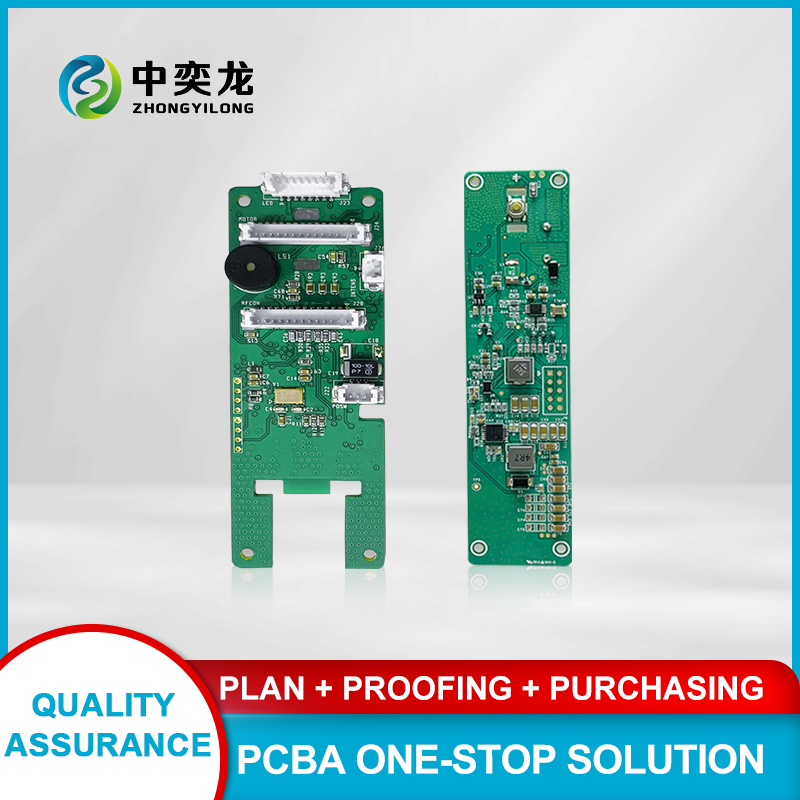
Embedded Industrial Control PCBA, or Printed Circuit Board Assembly, represents a crucial component in the realm of industrial electronics. These assemblies serve as the backbone of many modern industrial control systems, enabling the integration of various electronic components into a single, compact unit. The application of Embedded Industrial Control PCBA spans across numerous sectors, from manufacturing and automation to energy management and transportation.
At the core of Embedded Industrial Control PCBA is the functionality it offers in controlling and monitoring industrial processes. These assemblies typically contain microcontrollers or microprocessors, which are essential for executing control algorithms and processing data from various sensors. By leveraging such technology, industries can automate processes, improve accuracy, and enhance overall productivity. This automation not only increases efficiency but also reduces the likelihood of human error, leading to safer and more reliable operations.
An essential feature of Embedded Industrial Control PCBA is their versatility. They can be designed to operate under a wide range of environmental conditions, making them suitable for use in harsh industrial settings. For instance, these PCBA can withstand extreme temperatures, moisture, and vibrations that are often present in manufacturing facilities. This robustness is crucial for ensuring long-term reliability and minimizing downtime due to equipment failure.
Furthermore, the design of Embedded Industrial Control PCBA often incorporates various communication protocols, enabling seamless connectivity with other devices and systems. This is particularly important in the context of Industry 4.0, where the integration of Internet of Things (IoT) technologies is transforming traditional industrial practices. By connecting multiple devices and systems, manufacturers can gather valuable data for analysis, leading to more informed decision-making and improved operational efficiency.
Another significant advantage of Embedded Industrial Control PCBA is their compact size. As industries strive for more efficient space utilization, these assemblies allow for the integration of multiple functions into a single board. This not only saves physical space but also simplifies the overall system design, reducing the complexity of wiring and interconnections.
In conclusion, Embedded Industrial Control PCBA are pivotal in advancing industrial electronics by providing efficient control and monitoring capabilities. Their robustness, versatility, and compact design allow industries to automate processes, enhance connectivity, and optimize performance. By understanding the role and benefits of these assemblies, professionals can make informed decisions in selecting the right components for their specific applications, ultimately driving innovation and efficiency in their operations.


Related News



 WhatsApp
 E-mail