



Understanding High Voltage Power Measurement PCBs: A Comprehensive Guide
2026-09-27
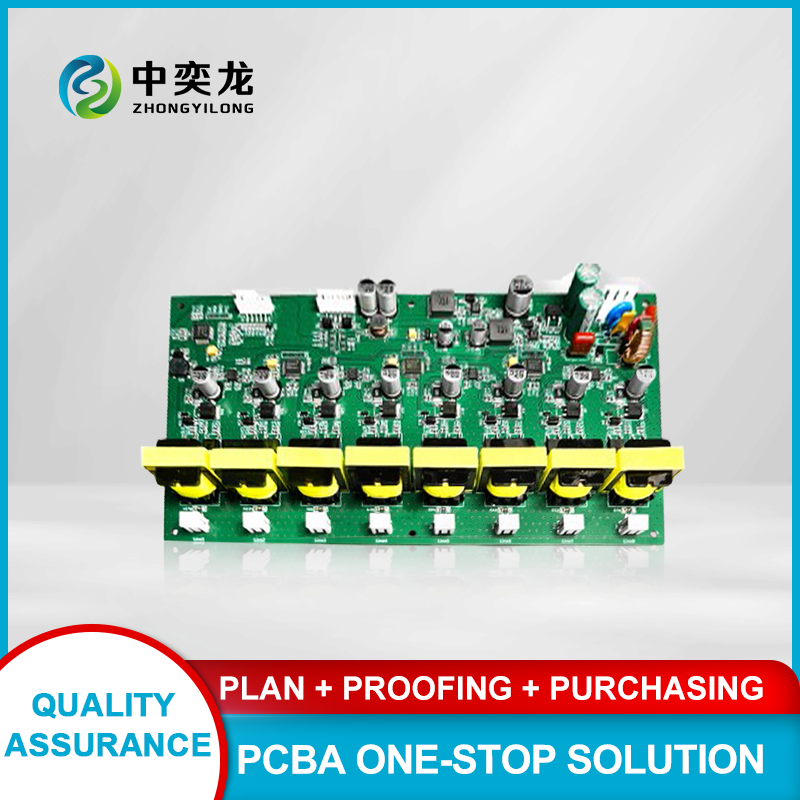
High Voltage Power Measurement PCBs (Printed Circuit Boards) serve a crucial function in the realm of electronics, especially in applications where high voltage and current measurements are required. With the increasing demand for efficient and reliable power measurement solutions, understanding the design and functionality of these specialized PCBs becomes essential for professionals in the electronics industry.
One of the most significant aspects of High Voltage Power Measurement PCBs is their design. These PCBs must be engineered to withstand not only high voltages but also the associated thermal and mechanical stresses. The materials used in their fabrication, such as high-temperature laminates, are chosen for their dielectric strength and thermal stability. This ensures that the PCB can operate safely and effectively under demanding conditions.
Another critical factor is the layout of the PCB. High Voltage Power Measurement PCBs often employ wide traces and appropriate spacing to minimize the risk of arcing or dielectric breakdown. In addition, the use of creepage and clearance distances must adhere to industry standards to ensure safety and reliability. For instance, IPC-2221 provides guidelines for designing PCBs that handle high voltages, emphasizing the importance of proper insulation and clearance.
In terms of applications, High Voltage Power Measurement PCBs are utilized in various fields including renewable energy systems, electric vehicles, and industrial automation. These boards are essential for monitoring power quality, efficiency, and safety in high-voltage applications, making them indispensable in modern power management systems.
Furthermore, the integration of advanced sensing technologies, such as Hall effect sensors and voltage dividers, enhances the measurement capabilities of these PCBs. By incorporating these components, engineers can achieve accurate voltage and current readings, which are critical for system diagnostics and performance optimization.
When considering the manufacturing and assembly of High Voltage Power Measurement PCBs, it's crucial to partner with experienced fabricators who understand the unique requirements of high voltage applications. Expertise in soldering, component placement, and testing procedures is vital to ensure that the final product meets the necessary standards for performance and safety.
In conclusion, High Voltage Power Measurement PCBs are an integral component of electronic systems that require precise power measurement. A solid understanding of their design, applications, and best practices is essential for professionals in the electronics industry. As technology continues to evolve, the role of these specialized PCBs will become even more significant, driving innovation and efficiency in power management solutions.
One of the most significant aspects of High Voltage Power Measurement PCBs is their design. These PCBs must be engineered to withstand not only high voltages but also the associated thermal and mechanical stresses. The materials used in their fabrication, such as high-temperature laminates, are chosen for their dielectric strength and thermal stability. This ensures that the PCB can operate safely and effectively under demanding conditions.
Another critical factor is the layout of the PCB. High Voltage Power Measurement PCBs often employ wide traces and appropriate spacing to minimize the risk of arcing or dielectric breakdown. In addition, the use of creepage and clearance distances must adhere to industry standards to ensure safety and reliability. For instance, IPC-2221 provides guidelines for designing PCBs that handle high voltages, emphasizing the importance of proper insulation and clearance.
In terms of applications, High Voltage Power Measurement PCBs are utilized in various fields including renewable energy systems, electric vehicles, and industrial automation. These boards are essential for monitoring power quality, efficiency, and safety in high-voltage applications, making them indispensable in modern power management systems.
Furthermore, the integration of advanced sensing technologies, such as Hall effect sensors and voltage dividers, enhances the measurement capabilities of these PCBs. By incorporating these components, engineers can achieve accurate voltage and current readings, which are critical for system diagnostics and performance optimization.
When considering the manufacturing and assembly of High Voltage Power Measurement PCBs, it's crucial to partner with experienced fabricators who understand the unique requirements of high voltage applications. Expertise in soldering, component placement, and testing procedures is vital to ensure that the final product meets the necessary standards for performance and safety.
In conclusion, High Voltage Power Measurement PCBs are an integral component of electronic systems that require precise power measurement. A solid understanding of their design, applications, and best practices is essential for professionals in the electronics industry. As technology continues to evolve, the role of these specialized PCBs will become even more significant, driving innovation and efficiency in power management solutions.


Related News



 WhatsApp
 E-mail