



Why Choose Embedded Industrial Control PCBA for Your Next Project? A Comprehensive Guide
2026-09-22
Why Choose Embedded Industrial Control PCBA for Your Next Project?
Table of Contents
- Introduction to Embedded Industrial Control PCBA
- What is PCBA (Printed Circuit Board Assembly)?
- Benefits of Embedded Industrial Control PCBA
- Applications of Embedded Industrial Control PCBA
- Key Features of Embedded Industrial Control PCBA
- Choosing the Right Embedded PCBA Provider
- Design Considerations for Embedded Industrial Control PCBA
- Future Trends in Embedded Industrial PCBA
- FAQs
- Conclusion
Introduction to Embedded Industrial Control PCBA
As technology advances, the demand for efficient and reliable **embedded industrial control systems** continues to rise. **Printed Circuit Board Assembly (PCBA)** serves as the backbone of these systems, providing the essential framework required for electronic components to operate seamlessly. This comprehensive guide aims to explore the various benefits, applications, and considerations of choosing embedded industrial control PCBA for your next project.
What is PCBA (Printed Circuit Board Assembly)?
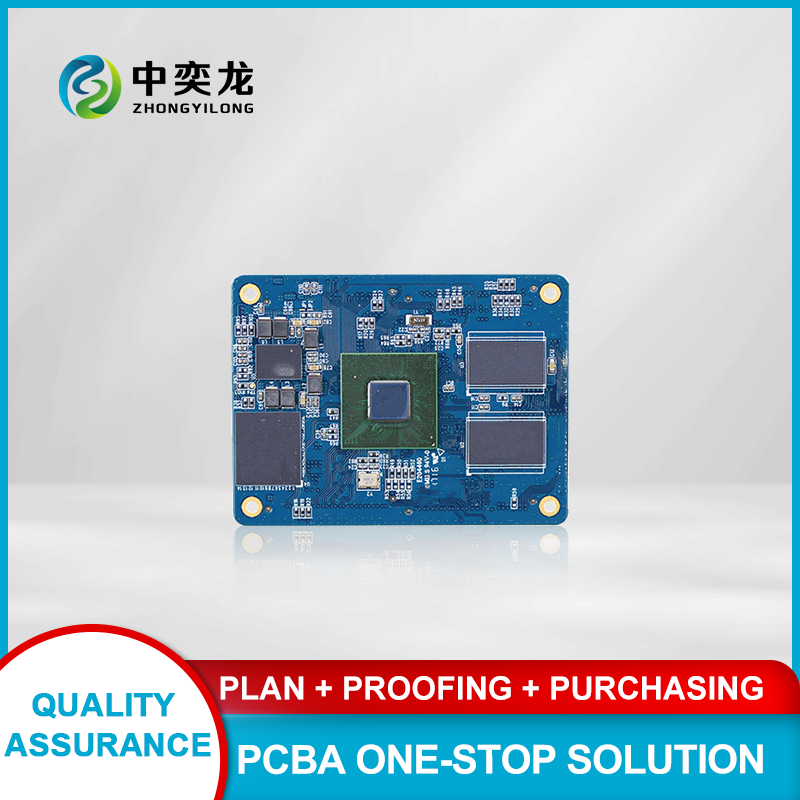
**PCBA** refers to the process of soldering electronic components onto a printed circuit board (PCB), creating a functional electronic device. This assembly is crucial as it combines individual components, such as resistors, capacitors, and microcontrollers, to form a cohesive unit. The **industrial control PCBA** takes this concept further by integrating sophisticated control systems that manage and automate various industrial processes, making them indispensable in today's manufacturing landscape.
Benefits of Embedded Industrial Control PCBA
Choosing embedded industrial control PCBA offers myriad advantages that can significantly enhance project outcomes. Here are some key benefits:
1. Enhanced Performance
Embedded industrial control PCBA is designed to optimize performance. These assemblies are built to handle demanding tasks efficiently, ensuring that your devices operate at peak capacity.
2. Scalability
Another significant advantage is scalability. As your project evolves, embedded PCBA can be modified or expanded to meet changing requirements without a complete redesign. This flexibility is crucial for businesses aiming for long-term growth.
3. Cost-Effectiveness
Investing in embedded industrial control PCBA might seem daunting initially, but the long-term cost savings are substantial. The efficiency and durability of these assemblies reduce maintenance and replacement costs over time.
4. Compact Design
Embedded systems often require a compact design due to space constraints. The PCBA allows for a more compact assembly, enabling integration into smaller devices while maintaining functionality.
5. High Reliability
Reliability is paramount in industrial settings. Embedded industrial control PCBA is built to withstand harsh environments, ensuring longevity and consistent performance even under demanding conditions.
Applications of Embedded Industrial Control PCBA
Embedded industrial control PCBA finds applications across various sectors:
1. Manufacturing Automation
In manufacturing, PCBA is integral to automating processes, controlling machinery, and managing production lines, resulting in increased efficiency and reduced human error.
2. Telecommunications
The telecommunications industry utilizes embedded PCBA in devices such as routers and switches, ensuring reliable data transmission and connectivity.
3. Automotive Industry
Embedded systems in vehicles control various functions, from engine management to safety features, making PCBA essential for modern automotive design.
4. Medical Devices
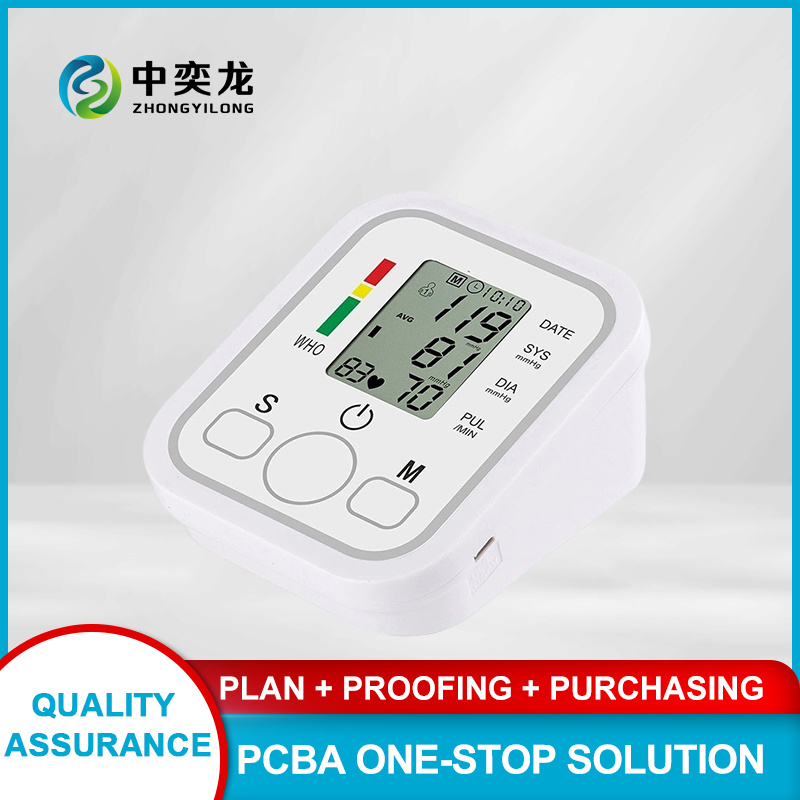
In the medical field, embedded industrial control PCBA is vital for devices like diagnostic equipment and patient monitoring systems, where precision and reliability are critical.
5. Smart Home Technology
As smart home technology grows, embedded PCBA is at the heart of devices like smart thermostats, home security systems, and IoT applications.
Key Features of Embedded Industrial Control PCBA
Understanding the critical features of embedded industrial control PCBA can help you make informed decisions for your projects.
1. Customizability
Each project may have unique requirements, and embedded PCBA offers the flexibility to customize designs according to specific needs.
2. Integrated Connectivity Options
Many embedded PCBA come with integrated connectivity options, such as Wi-Fi, Bluetooth, and Ethernet, facilitating communication between devices and the cloud.
3. Advanced Processing Power
Modern embedded industrial control PCBA often incorporates powerful microcontrollers and processors that enable complex computations and real-time data processing.
4. Energy Efficiency
With a focus on sustainability, embedded PCBA designs prioritize energy efficiency to reduce power consumption without sacrificing performance.
5. Compliance with Industry Standards
Quality embedded industrial control PCBA adheres to industry standards, ensuring reliability and safety in various applications.
Choosing the Right Embedded PCBA Provider
Selecting the right provider for your embedded industrial control PCBA is crucial for project success. Here are some factors to consider:
1. Experience and Expertise
Choose a provider with a proven track record in the industry. Their experience can significantly impact the quality and success of your project.
2. Quality Assurance Processes
Inquire about the quality assurance processes of potential providers. A robust quality control system ensures that the PCBA meets the required standards and specifications.
3. Customer Support
Effective customer support can make a significant difference, particularly if you encounter challenges during the design or production phases.
4. Technology and Equipment
Assess the technology and equipment used by the provider. Advanced manufacturing techniques often yield better results and more reliable assemblies.
5. Pricing and Lead Times
While cost shouldn't be the sole factor, understanding pricing structures and lead times can help you manage your project budget and timelines effectively.
Design Considerations for Embedded Industrial Control PCBA
When designing embedded industrial control PCBA, several factors should be taken into account:
1. Purpose and Functionality
Define the primary purpose of your PCBA to ensure that the design meets the necessary functionality.
2. Component Selection
Choosing the right components is critical. Consider factors such as performance, reliability, and compatibility with other system elements.
3. Thermal Management
Effective thermal management is essential to prevent overheating. Design considerations should include heat sinks and thermal insulation as needed.
4. Testing and Validation
Include testing and validation stages in the design process to identify and rectify potential issues before production.
5. Regulatory Compliance
Ensure your design complies with relevant industry regulations and standards to avoid legal complications and ensure safety.
Future Trends in Embedded Industrial PCBA
Staying ahead of trends in embedded industrial control PCBA can provide a competitive edge:
1. Miniaturization
The trend toward miniaturization continues, with more compact designs becoming standard in various applications, especially in consumer electronics.
2. Integration of AI and Machine Learning
The incorporation of artificial intelligence (AI) and machine learning enhances the capabilities of embedded systems, allowing for smarter and more adaptive applications.
3. Increased Connectivity
With the rise of IoT, embedded PCBA will increasingly feature enhanced connectivity options, enabling seamless communication between devices.
4. Sustainable Design Practices
Sustainability will play a crucial role in future designs, with an emphasis on energy-efficient components and eco-friendly manufacturing processes.
5. Advanced Security Features
As cyber threats become more sophisticated, integrating advanced security features into embedded PCBA will be vital to protect sensitive data and ensure device integrity.
FAQs
1. What is the lifespan of embedded industrial control PCBA?
The lifespan can vary depending on usage and environmental conditions, but quality embedded PCBA can last several years with proper maintenance.
2. How do I select components for my embedded PCBA?
Consider performance, compatibility, cost, and availability when selecting components for your project.
3. Can embedded industrial control PCBA be upgraded?
Yes, many embedded systems allow for upgrades, but it is essential to plan for compatibility and integration during the initial design phase.
4. What are the common challenges in designing embedded PCBA?
Common challenges include managing heat dissipation, ensuring reliable connectivity, and meeting regulatory compliance.
5. How can I ensure quality in my embedded PCBA?
Implement a robust quality assurance process, work with experienced providers, and conduct thorough testing during the design phase.
Conclusion
Choosing embedded industrial control PCBA for your next project can significantly impact the efficiency, reliability, and overall success of your electronic devices. With advantages such as enhanced performance, cost-effectiveness, and adaptability, embedded PCBA stands out as a vital solution for various industries. By understanding the benefits, applications, and design considerations, you can make informed decisions that align with your project goals, ensuring that your venture is not only successful but also positioned for future growth in a rapidly evolving technological landscape.


Related News



 WhatsApp
 E-mail