



Understanding the Essential Role of Blood Pressure Monitor PCBs in Healthcare
2026-08-18
In the realm of healthcare, precise measurement of vital signs is paramount, and blood pressure is one of the most significant indicators of cardiovascular health. The technology behind blood pressure monitors, particularly the printed circuit boards (PCBs) that power these devices, plays a crucial role in ensuring accurate and reliable readings.
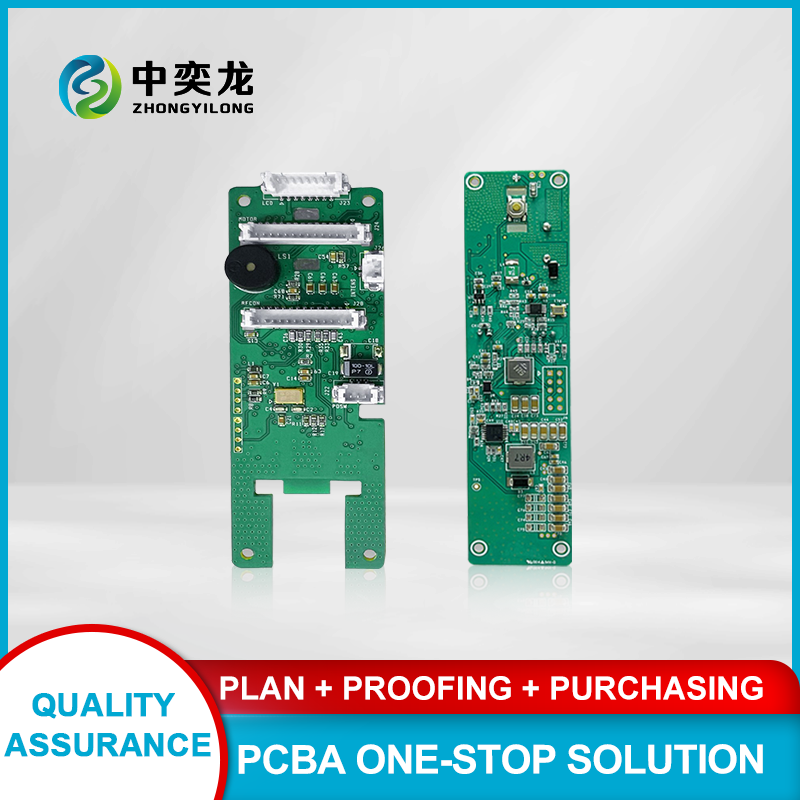
A Blood Pressure Monitor PCB is essentially the brain of the device, housing various components that work together to process signals and deliver accurate measurements. The PCB integrates sensors, microcontrollers, and power management systems to gather and analyze data from the patient. The sensors convert mechanical pressure into electrical signals, which are then processed by the microcontroller for interpretation. This technology enables healthcare providers to monitor blood pressure levels effectively and efficiently.
One of the primary advantages of using PCBs in blood pressure monitors is their compact design, which allows for miniaturization of the device. This is particularly beneficial for portable and home-use blood pressure monitors, making it easier for patients to track their health without the need for bulky equipment. The integration of advanced technology into the PCB also enhances the accuracy of readings. Modern blood pressure monitors often utilize oscillometric techniques, which rely on precise algorithms to interpret the data collected by the sensors.
Moreover, the quality of the PCB materials directly impacts the overall performance and durability of the blood pressure monitor. High-quality materials can ensure better signal integrity and reduce interference, leading to more accurate readings. Additionally, the design and layout of the PCB are crucial for minimizing noise and optimizing performance, making it an area of focus for manufacturers in the medical device industry.
As technology continues to evolve, the functionality of Blood Pressure Monitor PCBs is expected to improve even further. Innovations such as wireless connectivity, which allows for real-time monitoring and data sharing with healthcare providers, are becoming increasingly common. This not only enhances patient engagement but also enables timely interventions, potentially leading to better health outcomes.
In summary, Blood Pressure Monitor PCBs are integral to the operation of blood pressure measurement devices. Their design, materials, and technology contribute significantly to the accuracy and reliability of blood pressure readings. As healthcare technology advances, the role of these PCBs will only become more vital, underscoring the importance of ongoing innovation in this field. Understanding the significance of these components can help patients and healthcare professionals alike appreciate the technology that supports their health monitoring efforts.
A Blood Pressure Monitor PCB is essentially the brain of the device, housing various components that work together to process signals and deliver accurate measurements. The PCB integrates sensors, microcontrollers, and power management systems to gather and analyze data from the patient. The sensors convert mechanical pressure into electrical signals, which are then processed by the microcontroller for interpretation. This technology enables healthcare providers to monitor blood pressure levels effectively and efficiently.
One of the primary advantages of using PCBs in blood pressure monitors is their compact design, which allows for miniaturization of the device. This is particularly beneficial for portable and home-use blood pressure monitors, making it easier for patients to track their health without the need for bulky equipment. The integration of advanced technology into the PCB also enhances the accuracy of readings. Modern blood pressure monitors often utilize oscillometric techniques, which rely on precise algorithms to interpret the data collected by the sensors.
Moreover, the quality of the PCB materials directly impacts the overall performance and durability of the blood pressure monitor. High-quality materials can ensure better signal integrity and reduce interference, leading to more accurate readings. Additionally, the design and layout of the PCB are crucial for minimizing noise and optimizing performance, making it an area of focus for manufacturers in the medical device industry.
As technology continues to evolve, the functionality of Blood Pressure Monitor PCBs is expected to improve even further. Innovations such as wireless connectivity, which allows for real-time monitoring and data sharing with healthcare providers, are becoming increasingly common. This not only enhances patient engagement but also enables timely interventions, potentially leading to better health outcomes.
In summary, Blood Pressure Monitor PCBs are integral to the operation of blood pressure measurement devices. Their design, materials, and technology contribute significantly to the accuracy and reliability of blood pressure readings. As healthcare technology advances, the role of these PCBs will only become more vital, underscoring the importance of ongoing innovation in this field. Understanding the significance of these components can help patients and healthcare professionals alike appreciate the technology that supports their health monitoring efforts.


Related News




 WhatsApp
 E-mail