



Understanding the Essential Role of Glucose Meter PCBA in Diabetes Management
2025-10-22
The glucose meter is an indispensable tool for individuals managing diabetes, providing real-time blood glucose readings that help in making informed decisions about diet, exercise, and medication. At the heart of these devices lies the glucose meter PCBA, which plays a crucial role in the device's functionality and reliability.
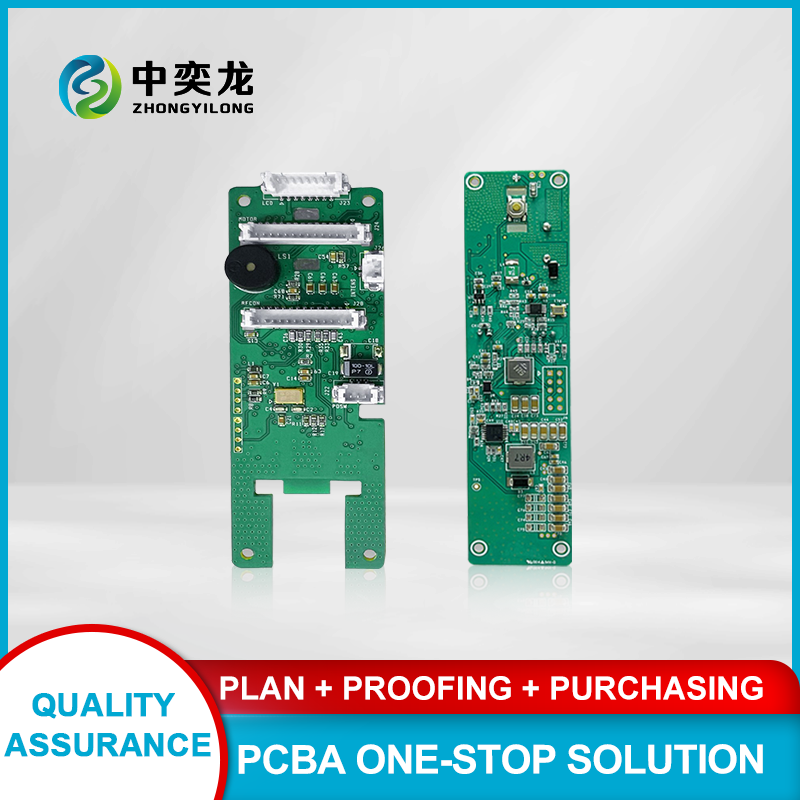
A glucose meter PCBA typically includes several key components such as microcontrollers, sensors, connectors, and other electronic parts. These elements work together to ensure accurate reading and data transmission. The microcontroller processes the signals from the glucose sensor, converting them into understandable readings for the user. The quality and precision of these components are fundamental to the meter's effectiveness, as any inaccuracies can lead to mismanagement of blood glucose levels.
The manufacturing process of glucose meter PCBA involves multiple stages, including design, prototyping, assembly, and testing. During the design phase, engineers consider factors such as size, power consumption, and user interface. Prototyping allows for testing various configurations to optimize performance before final production. Once the design is approved, assembly takes place, where components are mounted onto the PCB using precise techniques to ensure durability and reliability. Rigorous testing follows to confirm that the glucose meter meets industry standards for accuracy and safety.
In recent years, the demand for glucose meters has surged, driven by the increasing prevalence of diabetes worldwide. This rise has spurred innovations in glucose meter PCBA, leading to advancements such as enhanced connectivity features, which allow users to sync their readings with mobile applications for better monitoring and analysis. Additionally, miniaturization trends are making it possible to create more compact and user-friendly devices, making diabetes management more accessible to a broader audience.
Another key aspect of glucose meter PCBA is the regulatory compliance it must adhere to, ensuring that the devices are safe for consumer use. Manufacturers must comply with standards set by health authorities and regulatory bodies, which can vary by region. This compliance not only fosters consumer trust but also promotes overall safety in medical device manufacturing.
In conclusion, the glucose meter PCBA is a fundamental component in the effective management of diabetes, intertwining technological innovation with healthcare needs. Understanding its role and the intricacies of its manufacturing process is essential for professionals in the electronics and medical device sectors, as it directly impacts the quality and reliability of glucose monitoring solutions available to patients. As technology continues to advance, the glucose meter PCBA will undoubtedly evolve, further enhancing diabetes management capabilities.
A glucose meter PCBA typically includes several key components such as microcontrollers, sensors, connectors, and other electronic parts. These elements work together to ensure accurate reading and data transmission. The microcontroller processes the signals from the glucose sensor, converting them into understandable readings for the user. The quality and precision of these components are fundamental to the meter's effectiveness, as any inaccuracies can lead to mismanagement of blood glucose levels.
The manufacturing process of glucose meter PCBA involves multiple stages, including design, prototyping, assembly, and testing. During the design phase, engineers consider factors such as size, power consumption, and user interface. Prototyping allows for testing various configurations to optimize performance before final production. Once the design is approved, assembly takes place, where components are mounted onto the PCB using precise techniques to ensure durability and reliability. Rigorous testing follows to confirm that the glucose meter meets industry standards for accuracy and safety.
In recent years, the demand for glucose meters has surged, driven by the increasing prevalence of diabetes worldwide. This rise has spurred innovations in glucose meter PCBA, leading to advancements such as enhanced connectivity features, which allow users to sync their readings with mobile applications for better monitoring and analysis. Additionally, miniaturization trends are making it possible to create more compact and user-friendly devices, making diabetes management more accessible to a broader audience.
Another key aspect of glucose meter PCBA is the regulatory compliance it must adhere to, ensuring that the devices are safe for consumer use. Manufacturers must comply with standards set by health authorities and regulatory bodies, which can vary by region. This compliance not only fosters consumer trust but also promotes overall safety in medical device manufacturing.
In conclusion, the glucose meter PCBA is a fundamental component in the effective management of diabetes, intertwining technological innovation with healthcare needs. Understanding its role and the intricacies of its manufacturing process is essential for professionals in the electronics and medical device sectors, as it directly impacts the quality and reliability of glucose monitoring solutions available to patients. As technology continues to advance, the glucose meter PCBA will undoubtedly evolve, further enhancing diabetes management capabilities.


Related News




 WhatsApp
 E-mail