



Understanding Embedded Industrial Control PCBA: The Backbone of Modern Electronics
2026-08-28
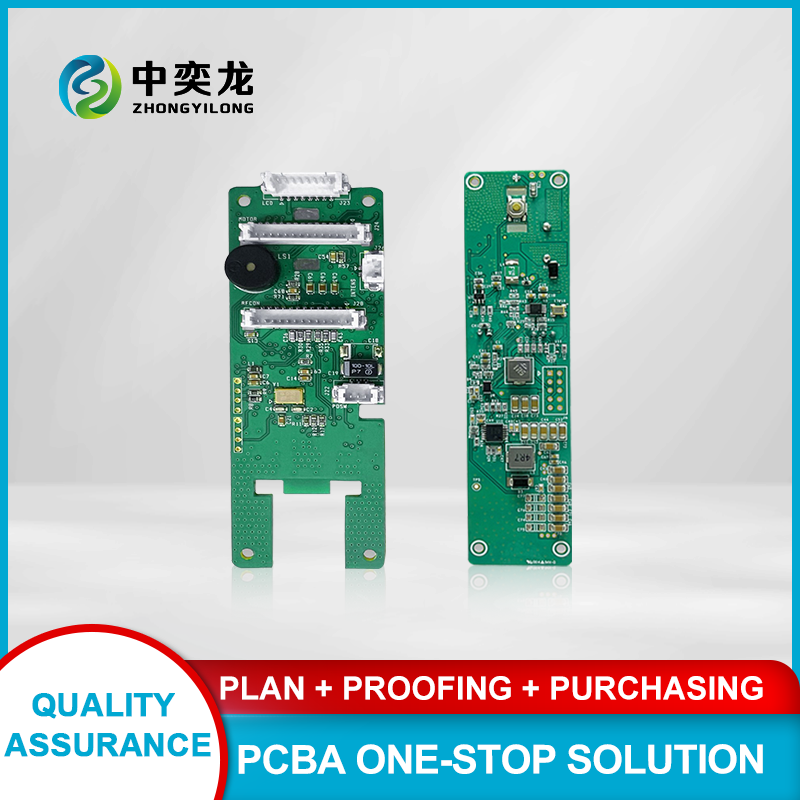
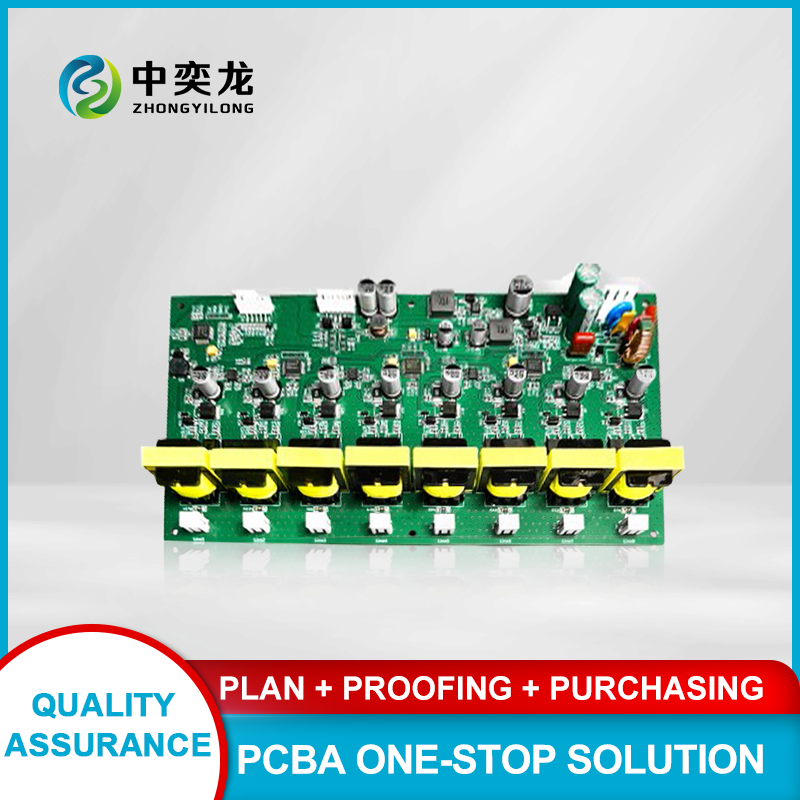
Embedded Industrial Control PCBA (Printed Circuit Board Assembly) represents a critical component in the realm of electronics, particularly within industrial applications. These assemblies are designed to facilitate complex control functions in machinery and equipment, enabling automated processes that enhance efficiency and accuracy. As industries embrace automation and smart technology, understanding the role of Embedded Industrial Control PCBAs becomes increasingly essential.
At their core, Embedded Industrial Control PCBAs integrate both hardware and software elements to perform specific control tasks. This integration allows for real-time monitoring and control of various parameters, such as temperature, pressure, and operational speed. The ability to process data and execute commands swiftly is crucial in industrial environments, where delays can lead to inefficiencies or even hazardous situations.
One of the primary advantages of utilizing Embedded Industrial Control PCBAs is their compact design, which makes them suitable for integration into a wide range of machinery. Unlike traditional control systems, which may require extensive space and resources, these embedded systems can fit into small, dedicated spaces, thus enabling the design of more efficient and versatile equipment. This compactness is particularly advantageous in industries such as manufacturing, where space optimization is a priority.
Moreover, Embedded Industrial Control PCBAs are known for their reliability and durability. They are designed to operate in challenging environments, characterized by extreme temperatures, vibrations, and other stressors. This robustness ensures that industrial machinery can function consistently over long periods, reducing the need for frequent maintenance and downtime.
In terms of connectivity, these PCBAs often come equipped with various communication interfaces, enabling them to connect with other devices and systems seamlessly. This connectivity is vital in today's interconnected industrial landscape, where data exchange between machines and centralized systems is essential for optimizing operations. The ability to integrate with IoT (Internet of Things) platforms further enhances their functionality, allowing for advanced analytics and remote monitoring capabilities.
In conclusion, Embedded Industrial Control PCBAs play an indispensable role in the electronics industry, particularly within industrial applications. Their compact design, reliability, and connectivity features make them a preferred choice for modern automation solutions. As industries continue to evolve and integrate smart technologies, the significance of these PCBAs will only grow, driving innovations and efficiencies across various sectors. Understanding their functionality and advantages can empower businesses to make informed decisions when integrating these vital components into their operations.
At their core, Embedded Industrial Control PCBAs integrate both hardware and software elements to perform specific control tasks. This integration allows for real-time monitoring and control of various parameters, such as temperature, pressure, and operational speed. The ability to process data and execute commands swiftly is crucial in industrial environments, where delays can lead to inefficiencies or even hazardous situations.
One of the primary advantages of utilizing Embedded Industrial Control PCBAs is their compact design, which makes them suitable for integration into a wide range of machinery. Unlike traditional control systems, which may require extensive space and resources, these embedded systems can fit into small, dedicated spaces, thus enabling the design of more efficient and versatile equipment. This compactness is particularly advantageous in industries such as manufacturing, where space optimization is a priority.
Moreover, Embedded Industrial Control PCBAs are known for their reliability and durability. They are designed to operate in challenging environments, characterized by extreme temperatures, vibrations, and other stressors. This robustness ensures that industrial machinery can function consistently over long periods, reducing the need for frequent maintenance and downtime.
In terms of connectivity, these PCBAs often come equipped with various communication interfaces, enabling them to connect with other devices and systems seamlessly. This connectivity is vital in today's interconnected industrial landscape, where data exchange between machines and centralized systems is essential for optimizing operations. The ability to integrate with IoT (Internet of Things) platforms further enhances their functionality, allowing for advanced analytics and remote monitoring capabilities.
In conclusion, Embedded Industrial Control PCBAs play an indispensable role in the electronics industry, particularly within industrial applications. Their compact design, reliability, and connectivity features make them a preferred choice for modern automation solutions. As industries continue to evolve and integrate smart technologies, the significance of these PCBAs will only grow, driving innovations and efficiencies across various sectors. Understanding their functionality and advantages can empower businesses to make informed decisions when integrating these vital components into their operations.


Related News



 WhatsApp
 E-mail