



Unlocking Efficiency: The Advantages of Embedded Industrial Control PCBA
2026-08-03
Unlocking Efficiency: The Advantages of Embedded Industrial Control PCBA
Table of Contents
- 1. Introduction to Embedded Industrial Control PCBA
- 2. What is PCBA?
- 3. Key Benefits of Embedded Industrial Control PCBA
- 3.1 Enhanced Efficiency in Operations
- 3.2 Reliability and Durability
- 3.3 Cost-Effectiveness
- 3.4 Scalability for Future Needs
- 4. Applications of Embedded Industrial Control PCBA
- 5. Design Considerations for Embedded PCBA
- 6. Future Trends in Embedded Industrial Control PCBA
- 7. Frequently Asked Questions (FAQs)
- 8. Conclusion
1. Introduction to Embedded Industrial Control PCBA
In today's fast-paced industrial environment, the demand for efficiency and precision is paramount. The incorporation of **Embedded Industrial Control PCBA (Printed Circuit Board Assembly)** has emerged as a transformative solution for various industrial applications. This article explores the unique advantages offered by embedded PCBA, highlighting its role in maximizing operational efficiency, reliability, and cost-effectiveness.
2. What is PCBA?
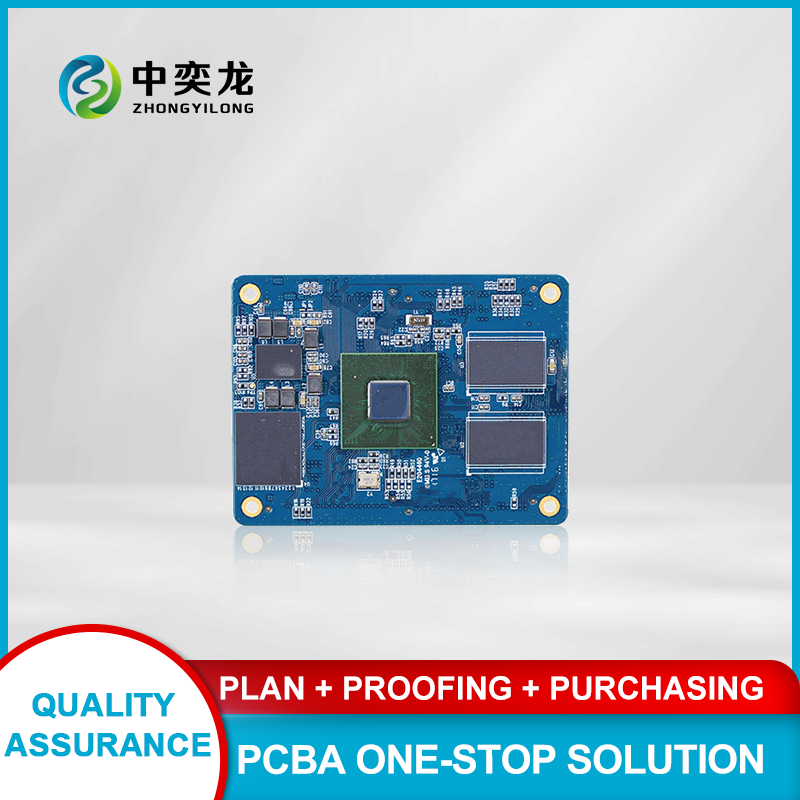
**Printed Circuit Board Assembly (PCBA)** refers to the process of soldering components onto a printed circuit board to create a functional electronic assembly. In the context of embedded systems, PCBA integrates not only the physical components but also critical software elements that enable devices to operate autonomously. The embedded nature of these systems allows for real-time control and automation of various industrial processes.
3. Key Benefits of Embedded Industrial Control PCBA
3.1 Enhanced Efficiency in Operations
One of the primary advantages of embedding PCBAs in industrial control systems is the significant boost in operational efficiency. By automating processes and utilizing real-time data, organizations can streamline workflows, reduce downtime, and optimize resource allocation. This allows for a more productive environment, where machines operate at their peak performance levels.
3.2 Reliability and Durability
Embedded Industrial Control PCBAs are designed to endure harsh industrial conditions. They are built with high-quality materials that resist environmental factors such as temperature fluctuations, moisture, and vibrations. This durability translates into fewer breakdowns and maintenance requirements, ensuring that machinery operates reliably over extended periods.
3.3 Cost-Effectiveness
Investing in Embedded Industrial Control PCBA can lead to substantial cost savings. By reducing the need for manual labor and minimizing operational inefficiencies, companies can lower their overall production costs. Furthermore, the longevity of these systems means that organizations can benefit from long-term returns on their investments.
3.4 Scalability for Future Needs
Embedded PCBA solutions are inherently scalable, allowing companies to adapt to changing market demands. Whether expanding production capacity or integrating new technologies, these systems can be easily modified or upgraded without substantial overhauls. This flexibility enables businesses to remain competitive and responsive to industry trends.
4. Applications of Embedded Industrial Control PCBA
The versatility of Embedded Industrial Control PCBA makes it suitable for a wide range of applications across various industries.
4.1 Manufacturing Industry
In the manufacturing sector, embedded PCBAs are utilized in automation systems, robotics, and control systems, enhancing production lines' efficiency. They enable precise control over machinery and processes, minimizing errors and maximizing output.
4.2 Automotive Sector
The automotive industry has increasingly adopted embedded PCBA technologies for functions such as engine control units, safety systems, and infotainment systems. These applications demand high reliability and performance, making embedded solutions ideal for modern vehicles.
4.3 Healthcare Technology
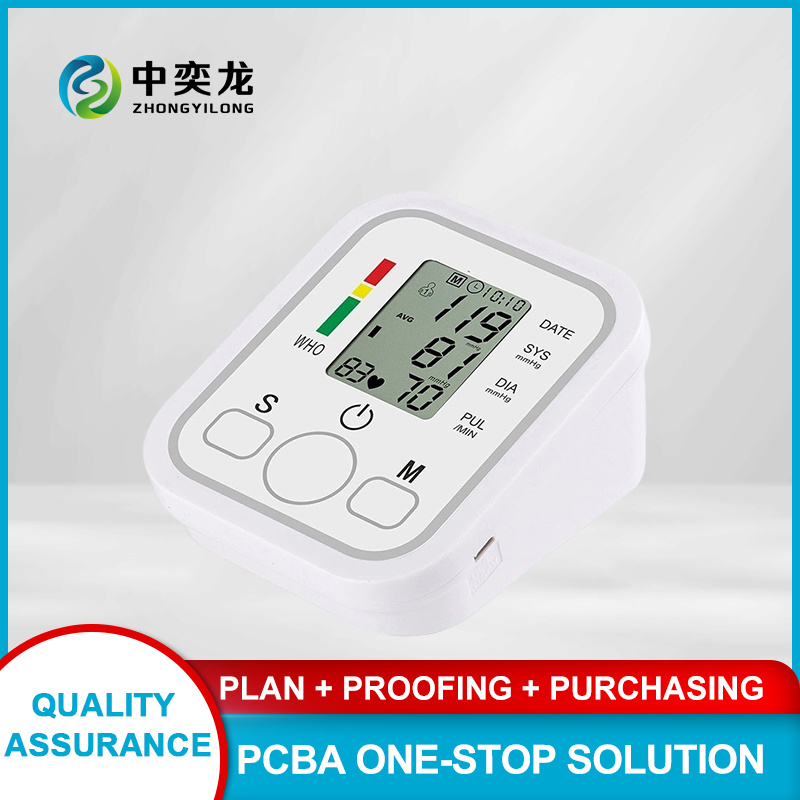
In healthcare, embedded industrial control PCBA plays a vital role in medical devices. From diagnostic equipment to patient monitoring systems, these assemblies ensure accurate data collection and processing, contributing to improved patient care and safety.
5. Design Considerations for Embedded PCBA
When designing embedded PCBAs for industrial applications, several factors must be considered to ensure optimal performance:
- **Component Selection:** Choosing components that can withstand the operating environment is crucial. This includes assessing factors such as temperature ranges, humidity levels, and mechanical stress.
- **Thermal Management:** Effective thermal management techniques must be employed to dissipate heat generated by the components, ensuring reliability and longevity.
- **Power Supply Design:** A reliable power supply is essential for maintaining consistent operation. Implementing power management strategies can enhance efficiency and reduce energy consumption.
- **Testing and Validation:** Rigorous testing and validation processes are necessary to ensure that the embedded PCBA operates correctly under various conditions, thus minimizing the risk of failure.
6. Future Trends in Embedded Industrial Control PCBA
As technology continues to evolve, several trends are shaping the future of Embedded Industrial Control PCBA:
- **Increased Automation:** With the rise of Industry 4.0, more businesses are adopting automated systems that rely on embedded PCBAs for real-time data processing and decision-making.
- **Integration of IoT:** The Internet of Things (IoT) is transforming how industries operate. Embedded PCBAs will increasingly incorporate IoT capabilities, allowing for seamless communication and data exchange between devices.
- **Sustainable Practices:** There is a growing emphasis on sustainability in manufacturing. Future designs will focus on eco-friendly materials and energy-efficient processes, aligning with global environmental goals.
7. Frequently Asked Questions (FAQs)
What is the difference between standard PCBA and embedded PCBA?
Standard PCBA focuses on the assembly of electronic components for general use, while embedded PCBA integrates specific functionalities within a system, often involving software components that allow for autonomous operation.
How do Embedded Industrial Control PCBAs enhance manufacturing efficiency?
By automating processes and providing real-time data feedback, embedded PCBAs streamline operations, reduce manual intervention, and minimize errors, resulting in increased productivity.
Are embedded PCBAs cost-effective in the long term?
Yes, although the initial investment may be higher, the long-term savings in labor costs, maintenance, and increased efficiency often outweigh the upfront costs.
What industries benefit the most from Embedded Industrial Control PCBAs?
Industries such as manufacturing, automotive, and healthcare are among the primary beneficiaries of embedded PCBAs due to their need for precise control and automation.
What should I consider when designing an embedded PCBA?
Key considerations include component selection, thermal management, power supply design, and thorough testing to ensure reliability and performance in the intended environment.
8. Conclusion
Embedded Industrial Control PCBA represents a pivotal advancement in industrial automation, offering numerous advantages that enhance operational efficiency, reliability, and cost-effectiveness. As industries continue to evolve, the integration of these sophisticated systems will play a crucial role in shaping the future landscape of manufacturing and other sectors. By understanding the benefits and design considerations of embedded PCBA technology, businesses can position themselves at the forefront of innovation and efficiency, unlocking new opportunities for growth and success.


Related News



 WhatsApp
 E-mail