



Understanding the Importance of Printed Circuit Board Assembly (PCBA) in Modern Electronics
2026-06-26
Understanding the Importance of Printed Circuit Board Assembly (PCBA) in Modern Electronics
Table of Contents
- What is PCBA? Understanding the Basics
- The PCBA Process: Step-by-Step Breakdown
- Why PCBA is Critical in Modern Electronics
- Applications of PCBA in Various Industries
- Quality Control in PCBA: Ensuring Reliability
- The Future of PCBA: Emerging Trends and Innovations
- Choosing the Right PCBA Manufacturer: Key Considerations
- Frequently Asked Questions (FAQs)
What is PCBA? Understanding the Basics
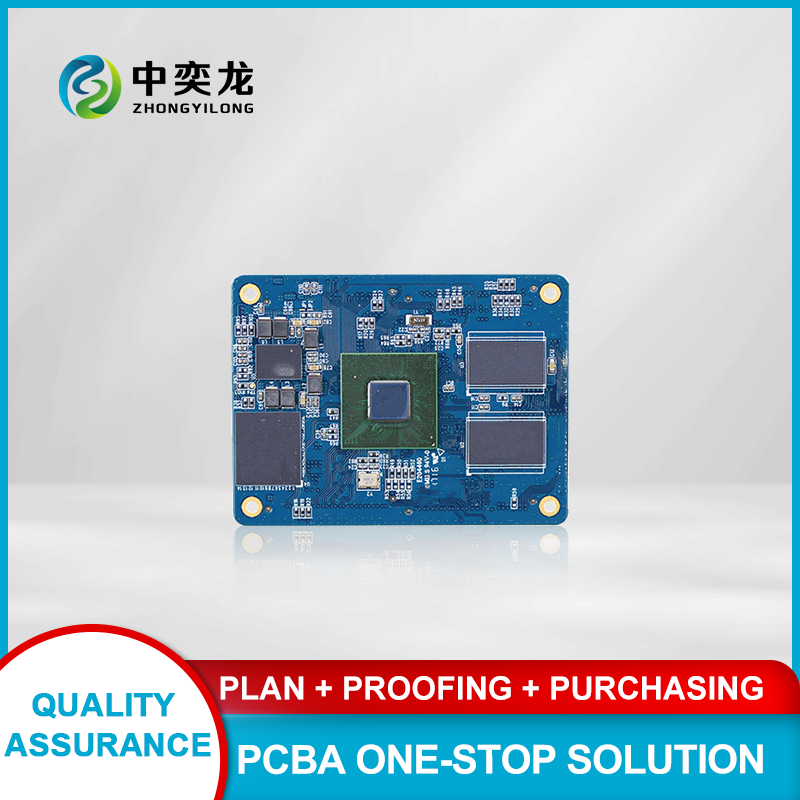
**Printed Circuit Board Assembly (PCBA)** refers to the process of soldering electronic components onto a printed circuit board (PCB) to create a functional electronic circuit. This process transforms a bare PCB, which is simply a substrate with conductive pathways, into a fully assembled and operational electronic unit. Components such as resistors, capacitors, integrated circuits (ICs), and connectors are all soldered onto the PCB to create a cohesive assembly.
The importance of PCBA cannot be overstated, as it serves as the backbone for nearly every electronic device on the market today. From smartphones and computers to medical devices and automotive systems, PCBA plays a vital role in ensuring devices operate reliably and efficiently.
The PCBA Process: Step-by-Step Breakdown
1. Design and Prototyping
The PCBA process begins with a design phase, where engineers create schematics and layouts using computer-aided design (CAD) software. Prototyping is then conducted to test the design's feasibility before mass production.
2. Component Sourcing
After finalizing the design, the next step is sourcing components. This involves identifying and procuring high-quality components from reliable suppliers who can meet specifications and delivery timelines.
3. PCB Fabrication
Once components are sourced, PCB fabrication commences. This involves manufacturing the bare circuit board based on the design, including drilling holes, applying conductive materials, and etching the circuit pathways.
4. Assembly
In this critical stage, components are placed onto the PCB using either manual or automated pick-and-place machines. The placement accuracy is crucial for ensuring proper functionality.
5. Soldering
Soldering is performed to securely attach components to the PCB. This can be accomplished using surface mount technology (SMT) or through-hole soldering techniques, depending on component types and design requirements.
6. Testing and Quality Assurance
Post-assembly, thorough testing is conducted to ensure the assembly meets quality standards. This includes functional testing, in-circuit testing (ICT), and visual inspections to guarantee that the PCBA operates as intended.
Why PCBA is Critical in Modern Electronics
PCBA is essential for several reasons, making it a cornerstone of modern electronics:
1. Reliability
With advancements in technology, the demand for reliable and durable electronic devices has skyrocketed. PCBA ensures that components are securely attached and that the circuit functions correctly, which is crucial for reliability.
2. Compact Design
The trend towards smaller, more compact devices has increased the importance of PCBA. By allowing for dense component placement, PCBA enables the design of smaller devices without sacrificing functionality.
3. Cost Efficiency
Mass production of PCBAs can lead to significant cost savings. As production scales, the per-unit cost decreases, making it economically viable to produce advanced electronic devices at a lower price point.
4. Innovation
PCBA facilitates the integration of innovative technologies into devices. From IoT devices to advanced medical equipment, PCBA supports the development of cutting-edge applications that enhance user experiences and functionality.
Applications of PCBA in Various Industries
PCBA finds applications across numerous industries, each requiring specific standards and practices:
1. Consumer Electronics
In consumer electronics, PCBA is ubiquitous. Devices like smartphones, tablets, and laptops rely on sophisticated PCBAs to operate efficiently and provide seamless user experiences.
2. Automotive
The automotive industry has embraced PCBA for advanced driver-assistance systems (ADAS), infotainment systems, and engine control units (ECUs). The reliability of PCBA in harsh conditions is paramount for automotive applications.
3. Medical Devices
Medical devices require stringent quality control and reliability standards. PCBA is crucial in devices such as pacemakers, imaging equipment, and monitoring systems, where precision and dependability are critical.
4. Telecommunications
Telecommunication devices, including routers and switches, rely on PCBA to manage data traffic efficiently. As 5G and IoT technologies evolve, the demand for advanced PCBAs in telecommunications continues to grow.
Quality Control in PCBA: Ensuring Reliability
Quality control is a vital aspect of the PCBA process, ensuring that all assemblies meet the required standards. This involves implementing rigorous testing protocols:
1. Visual Inspection
Before functional testing, a visual inspection is conducted to identify any obvious defects, such as misaligned components or soldering issues.
2. In-Circuit Testing (ICT)
ICT is performed to verify the functionality of each individual component on the PCB. This helps detect faults early in the production process, reducing costs associated with rework and scrap.
3. Functional Testing
Functional testing assesses the PCBA's overall performance by simulating real-world operating conditions. This is critical for ensuring that the assembly meets performance specifications.
The Future of PCBA: Emerging Trends and Innovations
As technology advances, the PCBA industry is evolving. Key trends shaping its future include:
1. Automation and Robotics
The integration of automation and robotics in the PCBA process is increasing efficiency and reducing human error. Automated assembly lines can produce PCBAs at a faster pace while maintaining high quality.
2. Sustainable Practices
With growing awareness of environmental issues, the PCBA industry is focusing on sustainable practices. This includes using eco-friendly materials, reducing waste, and implementing energy-efficient processes.
3. Miniaturization
As devices become smaller and more complex, the demand for miniaturized PCBAs is on the rise. This trend drives innovation in component design and assembly techniques, aiming for higher density and performance in smaller footprints.
Choosing the Right PCBA Manufacturer: Key Considerations
When selecting a PCBA manufacturer, several factors must be considered to ensure quality and reliability:
1. Certifications and Standards
Ensure that the manufacturer adheres to industry standards and certifications, such as ISO 9001 or IPC standards. This guarantees that they maintain quality throughout the production process.
2. Experience and Expertise
Choose a manufacturer with extensive experience in the field. Their expertise can significantly impact the quality of the final product, especially for complex assemblies.
3. Technology and Equipment
The manufacturer should utilize the latest technology and equipment in their production processes. This ensures that they can handle advanced designs and high volumes efficiently.
4. Customer Support
A responsive customer support team can address any issues that arise during production and provide valuable insights about the PCBA process.
Frequently Asked Questions (FAQs)
1. What is the difference between PCB and PCBA?
A PCB (Printed Circuit Board) is the base material with conductive pathways, while PCBA refers to the completed assembly of the PCB with electronic components soldered onto it.
2. How long does the PCBA process take?
The duration of the PCBA process can vary depending on the complexity of the design and the volume of production. Typically, it can range from a few days to several weeks.
3. What industries use PCBA?
PCBA is used across various industries, including consumer electronics, automotive, telecommunications, and medical devices.
4. How can I ensure the quality of my PCBA?
Choose a reputable manufacturer with quality certifications, implement rigorous testing protocols, and maintain clear communication throughout the production process.
5. Are there environmentally friendly options for PCBA?
Yes, many manufacturers are adopting sustainable practices, such as using eco-friendly materials and reducing waste, to make the PCBA process more environmentally friendly.
Conclusion
Understanding the importance of **Printed Circuit Board Assembly (PCBA)** in modern electronics is crucial for anyone involved in the electronics industry. From its fundamental role in ensuring device reliability to its applications across diverse sectors, PCBA stands as a cornerstone of technological advancement. As trends towards miniaturization, automation, and sustainability continue to shape the industry, staying informed about the latest PCBA developments will be essential for manufacturers and consumers alike. By choosing the right PCBA manufacturer and employing rigorous quality control measures, businesses can ensure they remain competitive in this ever-evolving field.


Related News



 WhatsApp
 E-mail