



How to Choose the Right PCBA Services for Your Project: A Comprehensive Guide
2026-06-20
How to Choose the Right PCBA Services for Your Project
Table of Contents
- Understanding PCBA: The Basics
- The Importance of Selecting the Right PCBA Service
- Key Factors to Consider in PCBA Services
- Evaluating PCBA Service Providers
- Questions to Ask PCBA Vendors
- Common Mistakes in Choosing PCBA Services
- Case Studies: Successful PCBA Projects
- Final Thoughts
- FAQs
Understanding PCBA: The Basics
What is PCBA?
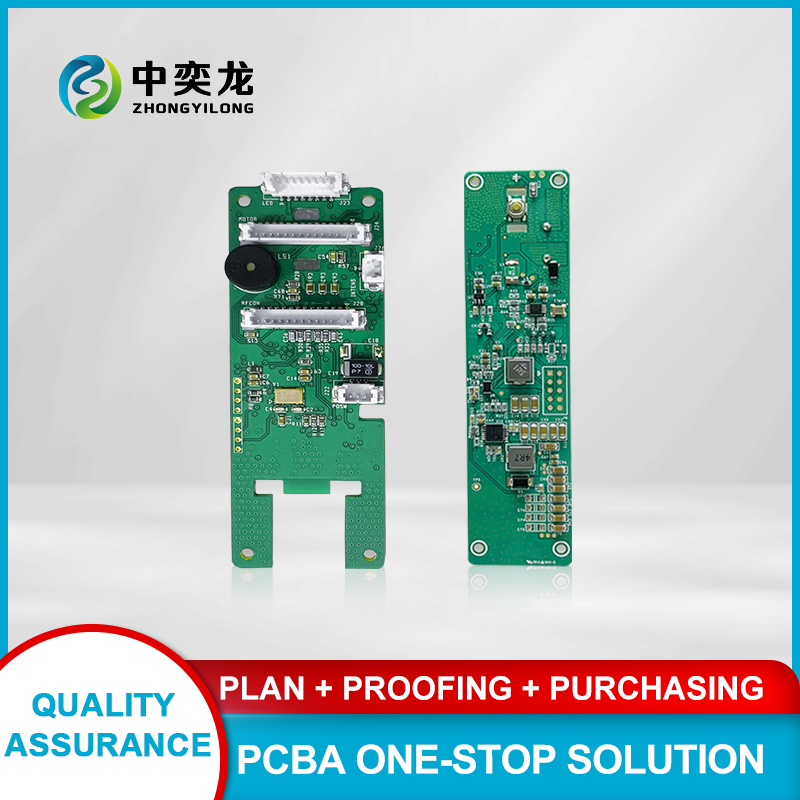
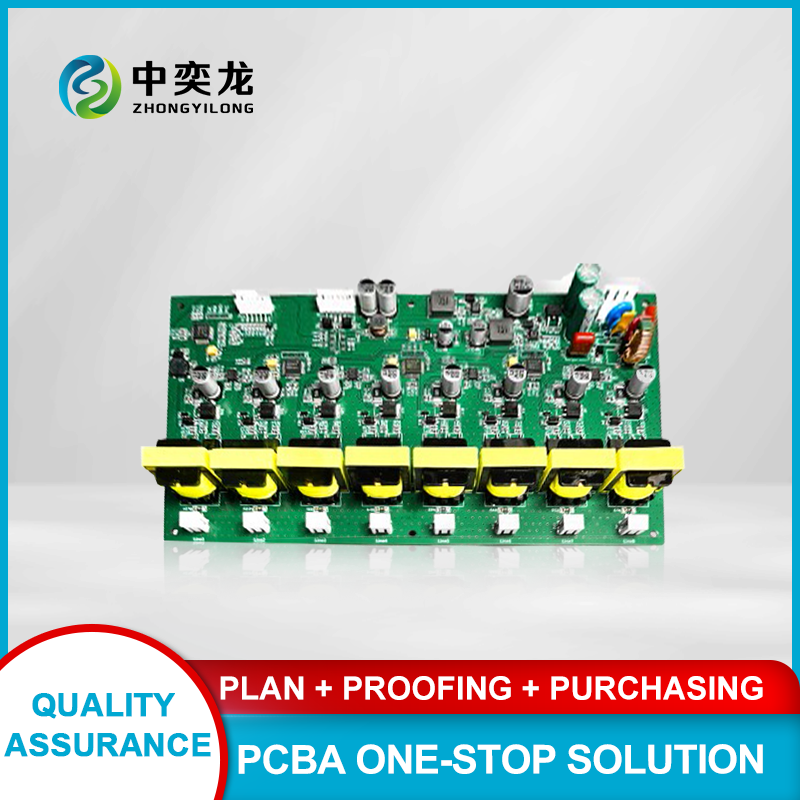
PCB assembly, commonly referred to as PCBA (Printed Circuit Board Assembly), is the process of soldering electronic components onto a printed circuit board to create a functional electronic device. It involves various stages, including design, assembly, testing, and delivery.
Why is PCBA Important?
PCBA is a critical process in the electronic manufacturing industry. It directly influences the performance, reliability, and cost of electronic products. Therefore, choosing the right PCBA service is paramount for successful project outcomes.
The Importance of Selecting the Right PCBA Service
Selecting the right PCBA service can significantly impact your project's success. A competent provider not only ensures quality and reliability but also supports your project through various phases, from prototyping to mass production. A poor choice may lead to increased costs, delays, and potential product failures.
Key Factors to Consider in PCBA Services
Quality Assurance
Quality assurance is the backbone of reliable PCBA services. **Look for vendors who adhere to industry standards such as ISO 9001 and IPC-A-610**. These certifications ensure that the service provider maintains high-quality manufacturing processes, which is crucial for the reliability of your electronic products.
Cost Efficiency
While cost shouldn’t be the sole determining factor, it plays a vital role. **Obtain detailed quotes that break down costs into materials, labor, and testing**. Compare multiple providers to evaluate their pricing structures and identify potential hidden costs.
Lead Time
Timeliness is crucial in the fast-paced electronics market. **Inquire about the lead times for prototyping and mass production**. A vendor with shorter lead times can significantly improve your time-to-market, providing a competitive edge.
Technical Expertise
Ensure that the PCBA provider has substantial technical expertise in the specific technologies and materials required for your project. **Assess their capabilities in handling complex designs and new technologies**. A well-informed vendor can provide invaluable insights and solutions throughout the assembly process.
Capacity and Scaling
Consider the vendor’s production capacity and scalability. **Can they handle small-scale prototyping as well as large-volume production?** Understanding their ability to scale operations in response to demand is essential for long-term partnerships.
Evaluating PCBA Service Providers
To make an informed decision, conduct a thorough evaluation of potential PCBA service providers. **Look for online reviews, testimonials, and case studies**. Consider requesting references from past clients to gain insight into their experiences.
Questions to Ask PCBA Vendors
When engaging potential vendors, ask the following questions to ensure they meet your project needs:
1. What certifications do you hold regarding quality and technical standards?
2. What is your average lead time for prototype and production runs?
3. Can you provide detailed quotes, including all potential costs?
4. What is your process for quality control and testing?
5. How do you handle design changes during the production process?
Common Mistakes in Choosing PCBA Services
Avoid these common pitfalls that can lead to poor outcomes in PCBA selection:
- **Focusing Solely on Cost**: While budget considerations are important, prioritizing cost over quality can result in higher long-term expenses due to product failures and recalls.
- **Neglecting Communication**: Choose a provider who communicates transparently and effectively. Poor communication can lead to misunderstandings and project delays.
- **Overlooking Testing and Quality**: Ensure that your chosen vendor incorporates thorough testing in their process. Assembly without proper testing can lead to undetected faults.
Case Studies: Successful PCBA Projects
Examining successful PCBA projects can provide insights into best practices and vendor capabilities.
**Case Study 1: Start-Up Electronics Firm**
A start-up required a rapid prototype for a new wearable device. They opted for a PCBA service provider known for quick turnaround and flexibility. The vendor managed to deliver high-quality prototypes within two weeks, allowing the start-up to secure funding and move to production swiftly.
**Case Study 2: Established Consumer Electronics Company**
An established company faced production delays due to a previous vendor's inefficiencies. They switched to a new PCBA provider that emphasized quality and communication. The change not only reduced lead times but also improved product reliability, leading to increased customer satisfaction.
Final Thoughts
Choosing the right PCBA services for your project is a multifaceted decision that can significantly impact your product's success. By considering factors such as quality assurance, cost efficiency, lead time, technical expertise, and capacity, you will be well-equipped to make an informed choice. Take the time to evaluate potential service providers carefully, ensuring they align with your project needs and goals.
FAQs
1. What is the average lead time for PCBA services?
Lead times can vary significantly based on the complexity of the project and the vendor's capacity. Typically, prototyping can take 1-4 weeks, while mass production can take longer.
2. How can I ensure quality in PCBA services?
Look for vendors with relevant certifications (e.g., ISO 9001, IPC-A-610) and inquire about their quality control processes.
3. What is the difference between prototyping and mass production in PCBA?
Prototyping involves creating a limited batch of PCBs for testing and validation, whereas mass production refers to larger-scale manufacturing designed for market distribution.
4. How do I evaluate the cost of PCBA services?
Request detailed quotes that outline costs for materials, labor, and testing. Compare these quotes across different vendors.
5. What should I do if my design changes during production?
Choose a PCBA provider willing to accommodate design changes and ensure they have processes in place for managing such modifications efficiently.


Related News



 WhatsApp
 E-mail