



How to Tackle Common Challenges in PCBA Production Projects: Essential Strategies for Success
2026-06-07
How to Tackle Common Challenges in PCBA Production Projects: Essential Strategies for Success
Table of Contents
- Understanding PCBA Production: An Overview
- Common Challenges in PCBA Production
- 1. Component Sourcing Issues
- 2. Design Complexities
- 3. Quality Control Concerns
- 4. Production Capacity Constraints
- 5. Supply Chain Disruptions
- Strategies for Overcoming PCBA Production Challenges
- 1. Effective Component Sourcing Strategies
- 2. Simplifying Design for Manufacturability (DFM)
- 3. Implementing Robust Quality Assurance Protocols
- 4. Optimizing Production Workflows
- 5. Strengthening Supply Chain Relationships
- Best Practices for Successful PCBA Production Projects
- Conclusion
- FAQs
Understanding PCBA Production: An Overview
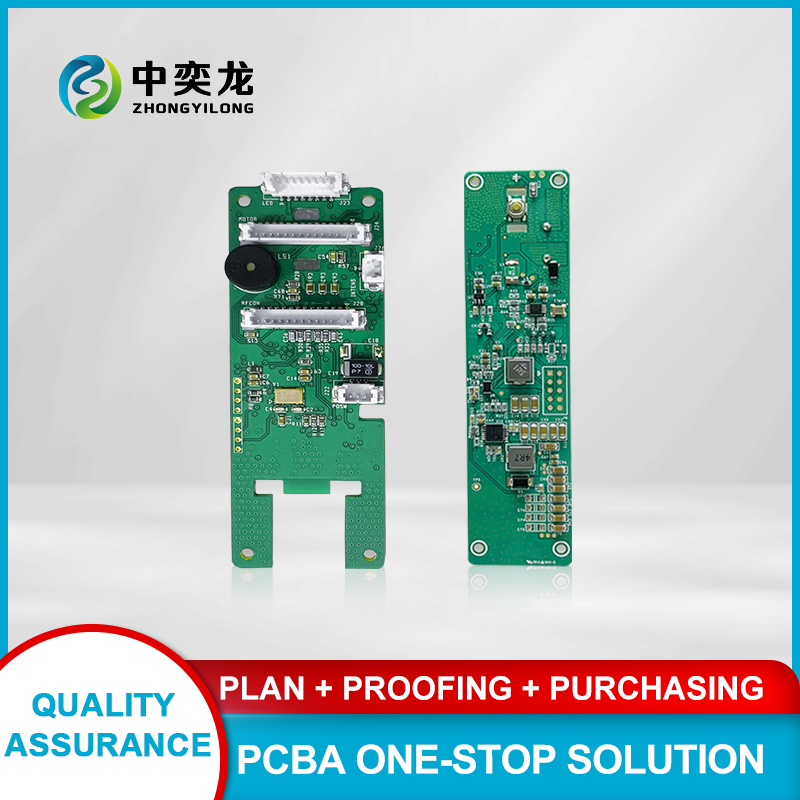
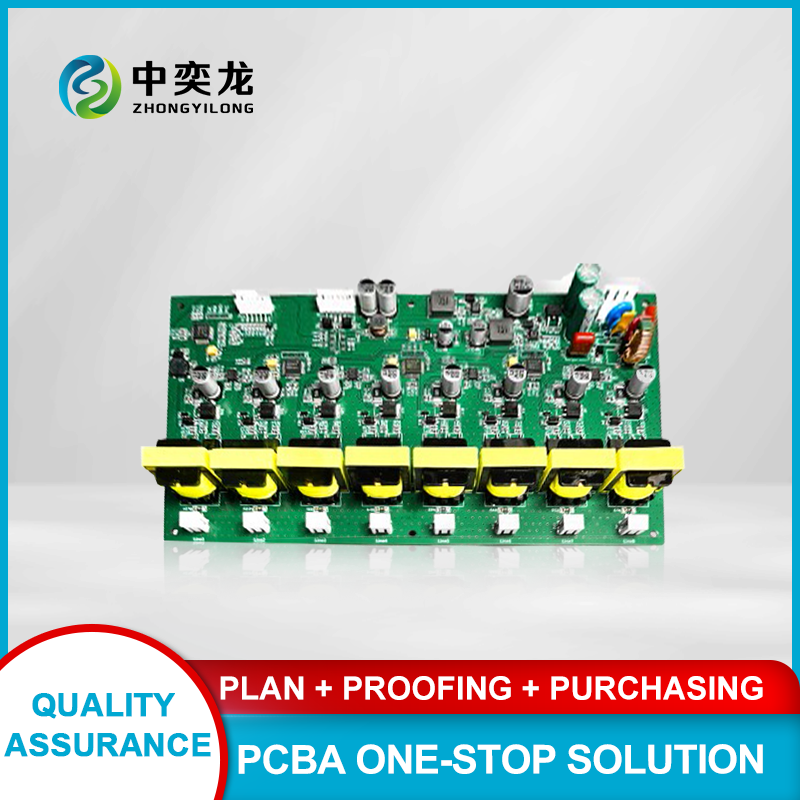
In the fast-paced world of electronics manufacturing, **Printed Circuit Board Assembly (PCBA)** is a critical phase that involves the assembly of electronic components onto a printed circuit board (PCB). This process is foundational for the functionality of electronic devices, from smartphones to sophisticated medical equipment.
**PCBA** production is a complex endeavor that requires precision, efficiency, and adaptability. As industries evolve and demand for faster, more reliable electronics grows, production teams must navigate numerous challenges to maintain quality and meet deadlines.
This article delves deep into the typical hurdles encountered during PCBA production projects, offering practical solutions and best practices to enhance your project’s success rate.
Common Challenges in PCBA Production
Understanding the common challenges encountered in PCBA production is the first step toward effective problem-solving. Here, we highlight five prevalent issues that often arise in this critical manufacturing phase.
1. Component Sourcing Issues
One of the primary challenges in PCBA production is sourcing the right components. The demand for electronic components can fluctuate significantly, leading to shortages or delays. Moreover, counterfeit components can infiltrate the supply chain, risking product quality and functionality.
2. Design Complexities
As technology advances, PCB designs have become more intricate. These complex designs can lead to difficulties during manufacturing, such as increased production times, higher costs, and potential errors in assembly.
3. Quality Control Concerns
Maintaining high-quality standards is paramount in PCBA production. However, variations in component quality, manufacturing processes, or human error can compromise product integrity, resulting in costly rework or failures in the field.
4. Production Capacity Constraints
Production capacity can often become a bottleneck in PCBA projects. Limited resources, machinery breakdowns, or workforce availability can hinder the ability to meet production deadlines, affecting overall project timelines and customer satisfaction.
5. Supply Chain Disruptions
Global events, such as pandemics or trade disputes, can lead to unexpected supply chain disruptions. These interruptions can affect the availability of materials and components, causing delays and increasing production costs.
Strategies for Overcoming PCBA Production Challenges
Now that we have identified the common challenges, let’s explore effective strategies for overcoming these hurdles to ensure successful PCBA production projects.
1. Effective Component Sourcing Strategies
To mitigate component sourcing issues, companies should cultivate strong relationships with multiple suppliers. Diversifying the supplier base minimizes risks associated with shortages and allows for quicker responses to market changes. Additionally, investing in a reliable inventory management system can help track component availability and forecast future needs.
2. Simplifying Design for Manufacturability (DFM)
Incorporating **Design for Manufacturability (DFM)** principles early in the design phase can significantly reduce complexities. Engaging with manufacturing teams during the design process ensures that the PCB layout is optimized for assembly, reducing the likelihood of errors and production delays.
3. Implementing Robust Quality Assurance Protocols
Establishing comprehensive quality assurance protocols is essential for maintaining product quality. Regular inspections, testing, and adherence to industry standards can help catch defects early in the production process. Implementing automated testing solutions can also enhance efficiency and accuracy in quality control.
4. Optimizing Production Workflows
Streamlining production workflows is crucial for addressing capacity constraints. Employing lean manufacturing principles can eliminate waste and optimize resource allocation. Additionally, investing in advanced manufacturing technologies, such as automation and robotics, can enhance production efficiency.
5. Strengthening Supply Chain Relationships
Building strong relationships with suppliers and logistics providers can help mitigate supply chain disruptions. Establishing clear communication channels and collaborative forecasting can enhance responsiveness to changes in supply and demand, ensuring a smoother production process.
Best Practices for Successful PCBA Production Projects
To ensure the success of PCBA production projects, consider implementing these best practices:
1. Engage in Continuous Training and Development
Regular training for employees on new technologies, quality standards, and best practices is vital. This investment in human capital enhances overall team competency and contributes to higher-quality outputs.
2. Leverage Advanced Software Solutions
Utilizing specialized software for project management, inventory tracking, and quality assurance can streamline operations. These tools facilitate better planning, resource allocation, and real-time monitoring of production processes.
3. Prioritize Communication and Collaboration
Fostering a culture of open communication across teams and departments can enhance collaboration. Regular meetings to address concerns and share insights can lead to more informed decision-making.
4. Conduct Regular Performance Reviews
Regularly evaluating the performance of production processes helps identify areas for improvement. Setting key performance indicators (KPIs) can provide measurable insights into productivity, quality, and efficiency.
5. Stay Updated on Industry Trends
Keeping abreast of the latest trends and technologies in PCB manufacturing ensures that your operations remain competitive. Attend industry conferences, workshops, and webinars to gain insights and network with other professionals.
Conclusion
Navigating the challenges of PCBA production requires a proactive and strategic approach. By understanding the common hurdles and implementing effective solutions, manufacturers can enhance productivity, maintain quality, and meet customer demands. Emphasizing collaboration, continuous improvement, and innovation will ultimately drive success in your PCBA production projects.
FAQs
1. What is PCBA, and why is it important?
PCBA stands for Printed Circuit Board Assembly, a process where electronic components are attached to a printed circuit board. It is crucial because it creates the backbone of most electronic devices, ensuring functionality and performance.
2. What are the most common issues faced in PCBA production?
Common issues include component sourcing challenges, design complexities, quality control concerns, production capacity constraints, and supply chain disruptions.
3. How can companies improve their component sourcing strategies?
Companies can improve sourcing by diversifying suppliers, investing in inventory management systems, and building strong relationships with vendors.
4. What does Design for Manufacturability (DFM) entail?
DFM involves designing products in a way that simplifies the manufacturing process, reducing complexity and potential errors during assembly.
5. How can quality assurance be enhanced in PCBA production?
Quality assurance can be enhanced through regular inspections, implementing automated testing solutions, and adhering to industry standards and certifications.


Related News



 WhatsApp
 E-mail