



Understanding Pulse Oximeters: A Gateway to Monitoring Health Efficiently
2025-09-14
Pulse oximeters are essential devices that provide crucial information about an individual's oxygen saturation levels and pulse rate. These compact instruments, commonly used in healthcare settings, utilize light absorption technology to measure the percentage of hemoglobin saturated with oxygen in the blood. For professionals in the electronics industry, particularly in the realm of circuit boards and PCBA (Printed Circuit Board Assembly) processes, understanding how pulse oximeters function can enhance the development and integration of such health monitoring devices.
A pulse oximeter typically consists of two light-emitting diodes (LEDs) and a photodetector. The LEDs emit light at two different wavelengths, typically red and infrared. As the light passes through the finger or earlobe, the photodetector measures how much light is absorbed by the blood. Oxygenated hemoglobin absorbs different wavelengths of light than deoxygenated hemoglobin, allowing the device to calculate the proportion of oxygenated blood.
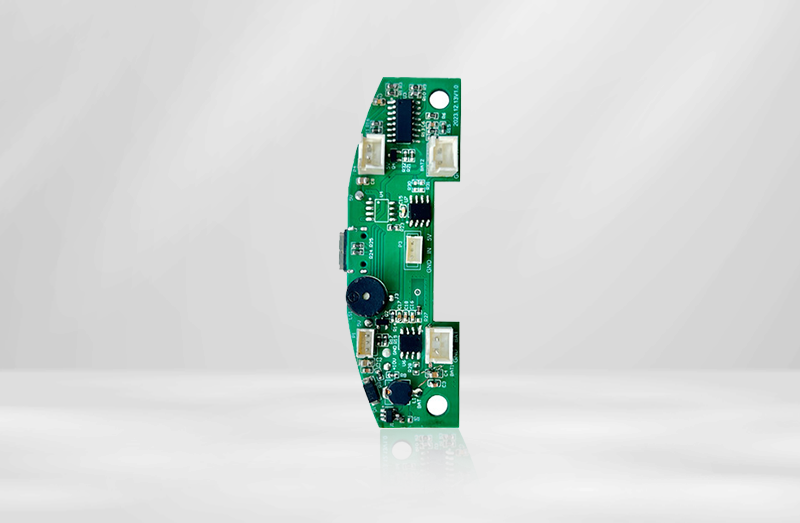
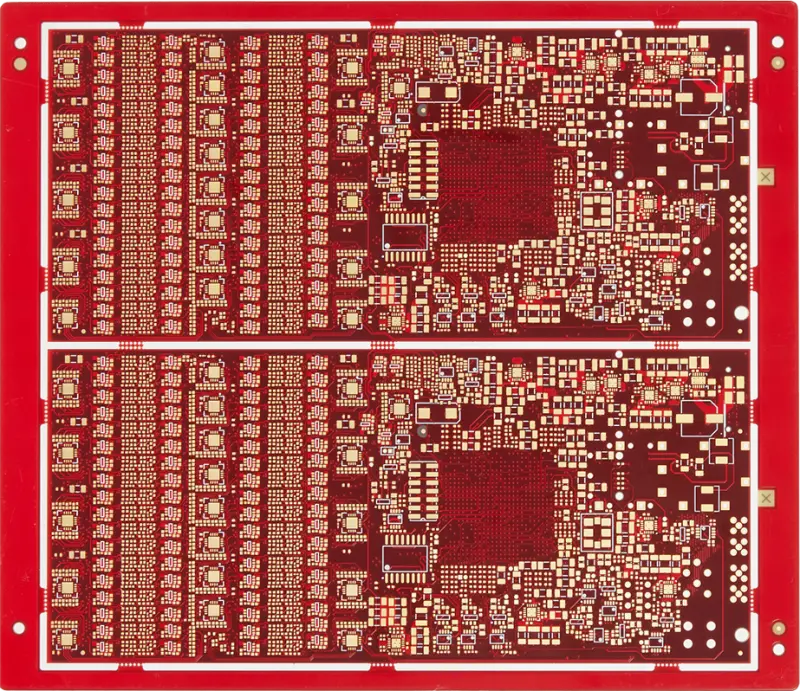
In the context of PCBA, the integration of components like sensors, microcontrollers, and wireless communication modules are pivotal. Designing a pulse oximeter requires a deep understanding of electronic components, ensuring that the circuit design supports accurate measurements and quick response times. The PCB layout must facilitate minimal interference and maintain signal integrity, which is crucial for reliable performance in medical applications.
Additionally, the miniaturization of electronics has made it possible to create portable and user-friendly pulse oximeters. This trend reflects a broader movement towards telemedicine and remote health monitoring, which has gained significant importance, especially in recent years. The ability to monitor vital signs remotely allows healthcare providers to make informed decisions without requiring patients to visit healthcare facilities frequently.
Moreover, advancements in battery technology and power management circuits play a critical role in extending the operational life of pulse oximeters. Incorporating energy-efficient components ensures that these devices can function effectively in various settings, from hospitals to home care.
As the demand for medical devices continues to grow, professionals in the electronics and PCBA sectors must remain vigilant about emerging technologies and best practices in device manufacturing. Understanding pulse oximeters not only aids in creating effective health-monitoring solutions but also enhances collaboration between engineers and healthcare providers to improve patient care outcomes.
In conclusion, pulse oximeters serve as vital tools in modern healthcare, enabling effective monitoring of oxygen levels and pulse rates. For those involved in the electronic components industry, mastering the intricacies of these devices can foster innovation and improve product offerings in an increasingly health-conscious market.
A pulse oximeter typically consists of two light-emitting diodes (LEDs) and a photodetector. The LEDs emit light at two different wavelengths, typically red and infrared. As the light passes through the finger or earlobe, the photodetector measures how much light is absorbed by the blood. Oxygenated hemoglobin absorbs different wavelengths of light than deoxygenated hemoglobin, allowing the device to calculate the proportion of oxygenated blood.
In the context of PCBA, the integration of components like sensors, microcontrollers, and wireless communication modules are pivotal. Designing a pulse oximeter requires a deep understanding of electronic components, ensuring that the circuit design supports accurate measurements and quick response times. The PCB layout must facilitate minimal interference and maintain signal integrity, which is crucial for reliable performance in medical applications.
Additionally, the miniaturization of electronics has made it possible to create portable and user-friendly pulse oximeters. This trend reflects a broader movement towards telemedicine and remote health monitoring, which has gained significant importance, especially in recent years. The ability to monitor vital signs remotely allows healthcare providers to make informed decisions without requiring patients to visit healthcare facilities frequently.
Moreover, advancements in battery technology and power management circuits play a critical role in extending the operational life of pulse oximeters. Incorporating energy-efficient components ensures that these devices can function effectively in various settings, from hospitals to home care.
As the demand for medical devices continues to grow, professionals in the electronics and PCBA sectors must remain vigilant about emerging technologies and best practices in device manufacturing. Understanding pulse oximeters not only aids in creating effective health-monitoring solutions but also enhances collaboration between engineers and healthcare providers to improve patient care outcomes.
In conclusion, pulse oximeters serve as vital tools in modern healthcare, enabling effective monitoring of oxygen levels and pulse rates. For those involved in the electronic components industry, mastering the intricacies of these devices can foster innovation and improve product offerings in an increasingly health-conscious market.


Related News


 WhatsApp
 E-mail